Detroit DD15 water pump warning signs: what to document before mobile service
Specialized Truck Services
Detroit DD15 water pump warning signs: what to document before mobile service
A Detroit DD15 that is losing coolant, running hotter than normal, or leaving fresh residue around the engine needs attention. Those observations may lead a driver or fleet to suspect the water pump, but they do not identify the failed component by themselves.
The cooling system works as a complete circuit. A hose, clamp, reservoir, cap, radiator, thermostat, connection, cooler, sensor, or another component can create a similar complaint. A useful service request begins with the truck's exact condition, the location of the evidence, and the timeline—not with a parts order based on one symptom.
SAAT Repairs Corp provides mobile truck repair and advanced diagnostic support in Tampa, Lakeland, and nearby Florida areas. Service goes to the truck when the location, access, safety conditions, equipment, and confirmed repair scope allow the work to be performed there.
A coolant symptom does not confirm a failed water pump
The water pump circulates coolant through the engine's cooling system. If circulation or sealing is compromised, the engine may lose coolant or struggle to control temperature. However, an overheated engine or a low-coolant warning does not prove the pump is responsible.
The diagnostic process should answer several questions:
Is coolant actually leaving the system?
Where does the first fresh trace appear?
Does the condition happen cold, hot, under load, or after shutdown?
Is the temperature reading supported by the truck's behavior and other evidence?
Was recent cooling-system or engine-area work performed?
These details help separate a suspected pump problem from another cooling-system fault.
Warning signs that deserve cooling-system inspection
Coolant loss or visible residue
Fresh coolant under the truck, wet areas near cooling-system components, dried residue, or repeated low-coolant warnings should be documented. Photograph the first visible area before fluid spreads through airflow or across nearby surfaces.
Do not reach into a hot engine compartment or remove a pressurized cap. Cooling systems can retain dangerous heat and pressure after shutdown.
Temperature changes and warnings
Record the exact gauge behavior and dashboard message. Useful details include:
Whether the temperature rose suddenly or gradually.
Whether it changed at idle, during acceleration, on a grade, or under load.
Whether the warning disappeared after shutdown and returned later.
Whether cab heat changed at the same time.
Whether the engine reduced power or issued a shutdown warning.
A temperature event is a condition to investigate, not an invitation to keep driving until it repeats.
Noise, belt-area changes, or repeated top-offs
An unusual sound near the front of the engine, visible belt behavior, or a coolant level that repeatedly drops may justify inspection of the pump and surrounding drive components. These signs can also have other causes, so describe what was observed without naming the failed part.
Repeatedly adding coolant without finding the loss can hide the rate and pattern of the problem. Record each addition, the amount if known, and the mileage or engine hours between events.
What else can resemble a DD15 water-pump problem
Cooling complaints can involve more than one area. Depending on the actual truck and evidence, a qualified inspection may need to consider:
Hoses, clamps, fittings, and seals.
Surge tank, cap, and level sensor.
Radiator and related connections.
Thermostat operation.
Fan operation and airflow.
Belt, tensioner, and driven accessories.
Coolant contamination or an incorrect fluid condition.
Internal or external leaks elsewhere in the engine.
Recent cooling-system service or incomplete verification.
This list is not a diagnosis. It explains why replacing a water pump from a dashboard warning alone can waste parts and downtime.
What to record before requesting mobile service
Truck and engine identification
Prepare the year, make, model, VIN or unit number, engine model, odometer, and engine hours when available. DD15 configurations and service requirements can differ by model year and emissions generation.
Leak location and timeline
Record:
Where the truck was parked when the evidence appeared.
The first place fresh coolant or residue was visible.
Whether the leak appeared while running, after shutdown, or when cold.
Whether the condition is constant or intermittent.
Recent coolant additions and the product used.
Clear photos taken from a safe position.
Do not move or clean every trace before the technician can understand the pattern. If cleanup is required for safety, photograph the area first.
Temperature, load, and recent work
Note the outside temperature, load, route, grade, idle time, and engine condition when the warning appeared. Include recent radiator, hose, thermostat, fan, belt, coolant, engine, or electrical work.
Preserve fault codes and dashboard messages. Do not clear them simply to see whether they return.
What not to do with an overheating or leaking truck
Do not open a hot or pressurized cooling system.
Do not continue driving through a critical temperature or shutdown warning.
Do not mix coolants or add an unknown product without checking the applicable Detroit and vehicle information.
Do not use a leak-stopping product as a substitute for confirming the failure.
Do not replace the water pump solely because coolant is low.
Do not clear codes or disconnect batteries before preserving the evidence.
Detroit's operator information directs owners to use approved coolant specifications and to inspect for fluid leaks. The correct fluid, concentration, fill procedure, and repair process depend on the engine and vehicle documentation.
When to stop and request assistance
Stop in a safe location and request professional assistance when the truck has a critical temperature warning, rapidly rising temperature, major coolant loss, visible steam, repeated shutdown, severe derate, abnormal mechanical noise, belt damage, or any condition that makes continued operation unsafe.
The safest decision depends on the message displayed, the rate of coolant loss, the road environment, the load, and the manufacturer's instructions. This article cannot determine whether a specific truck should continue moving.
How SAAT prepares the next step
When contacting SAAT Repairs Corp, send:
Exact location and safe-access details.
Truck, engine, unit, mileage, and engine-hour information.
The complete warning or fault-code information.
Photos of visible coolant or residue.
Temperature behavior and operating conditions.
Recent cooling-system work and coolant additions.
Whether the truck starts, idles, moves, or has shut down.
This handoff helps define whether the next step is an inspection, pressure-related testing, a cooling-system repair, recovery planning, or another diagnostic direction. It does not guarantee that a particular part or repair can be completed on-site.
Suspect a Detroit DD15 cooling-system or water-pump problem? Contact SAAT Repairs Corp with the truck's location, warning messages, temperature pattern, photos, and recent coolant history so the mobile-service conversation starts with useful evidence.
Specialized Truck Services
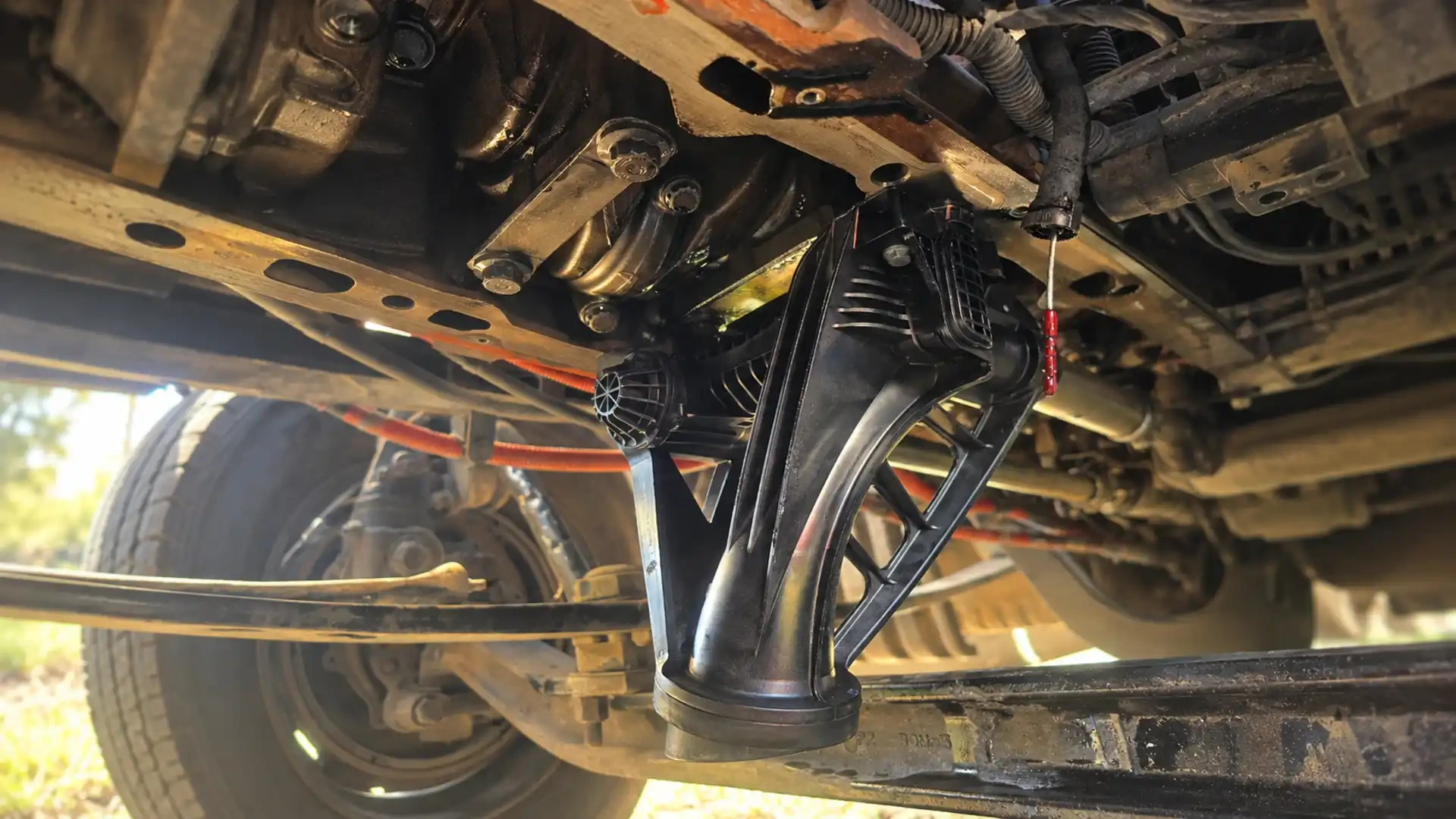
Detroit DD15 water pump warning signs: what to document before mobile service
Seeing coolant loss or overheating on a Detroit DD15? Learn what to document before mobile diagnostics and why the water pump should be confirmed, not guessed.
Sep 21, 2026
Specialized Truck Services
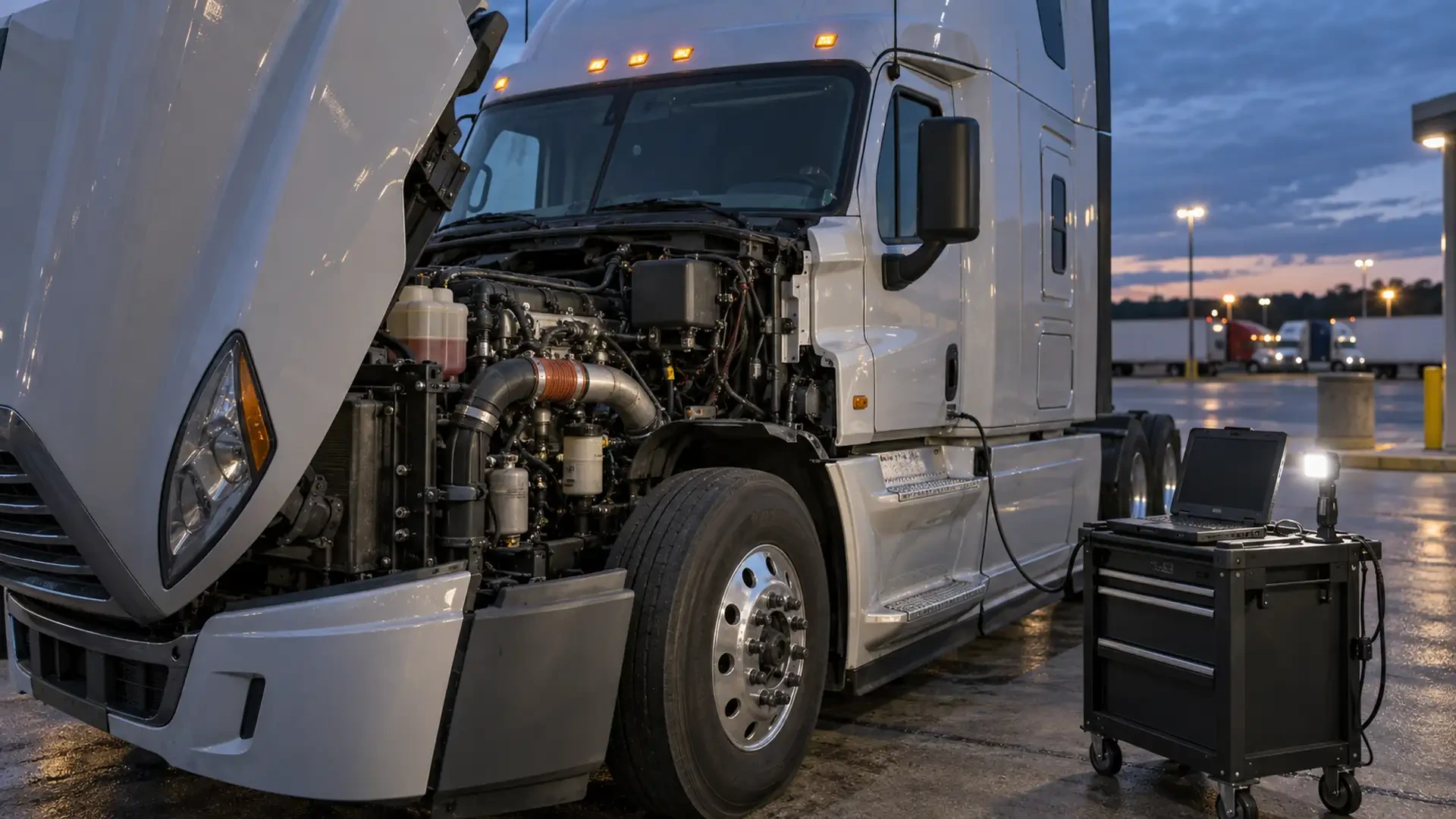
EGR-related power loss returns after repair: how to prepare for follow-up diagnostics
If EGR-related power loss returns after repair, document the timeline, codes, operating conditions, and prior work before follow-up mobile diagnostics.
Sep 18, 2026
Specialized Truck Services
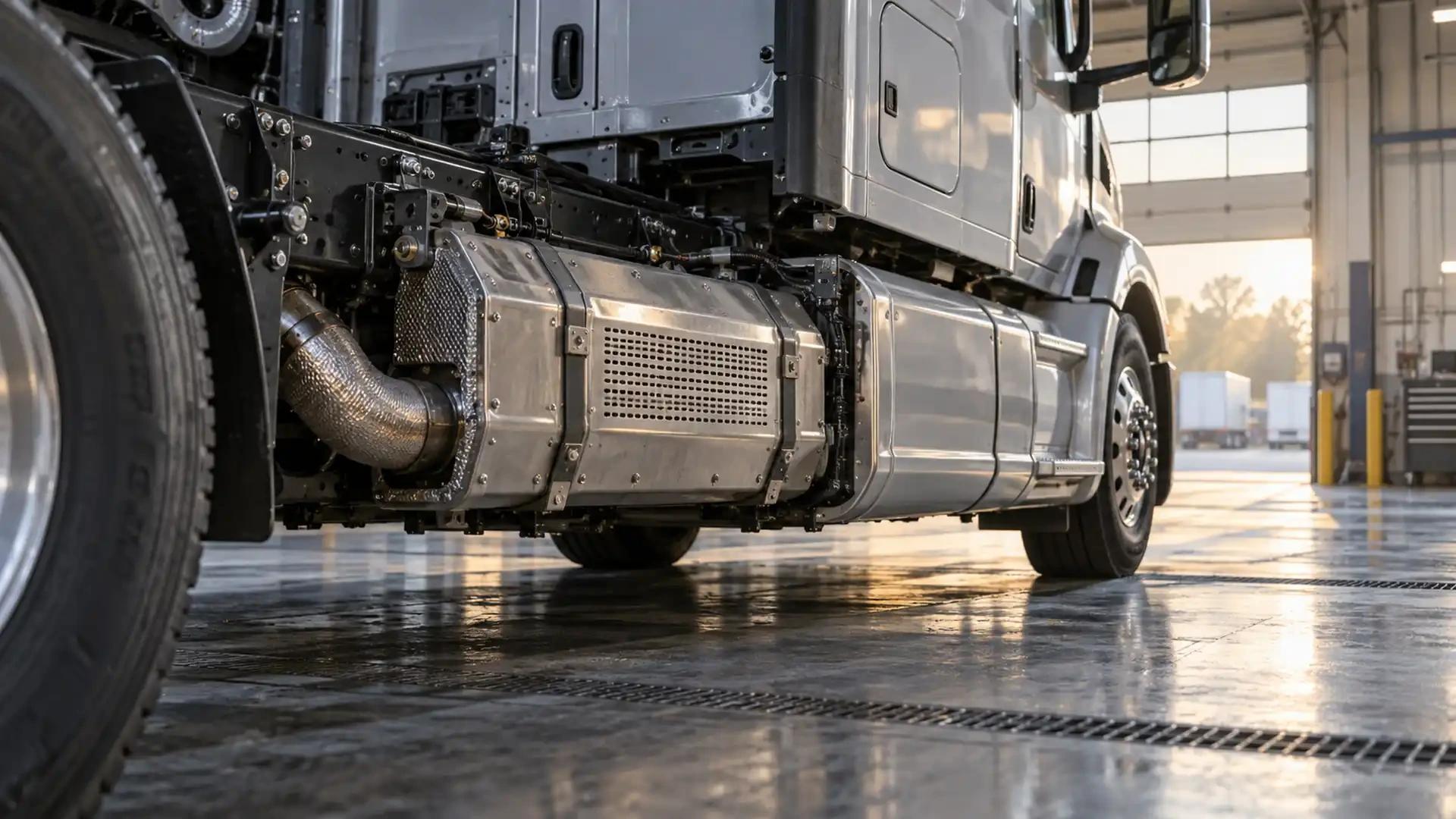
DPF warning returns after regeneration: what to document before the next diagnostic visit
Did the DPF warning return after regeneration? Learn what drivers and fleets should document before follow-up mobile diagnostics in Tampa or Lakeland.
Sep 14, 2026
