Commercial truck brake repair: what to verify before returning to service
Specialized Truck Services
Commercial truck brake repair: what to verify before returning to service
A brake repair order should do more than say “brakes fixed.” Before a commercial truck returns to service, the driver and fleet need to know what complaint was investigated, which components or systems were addressed, how the completed work was checked, and what remains open.
Brake systems differ by vehicle and configuration. The relevant procedures and pass criteria come from the vehicle and component manufacturers and a qualified brake inspector. This article explains the information that should travel with the truck after service; it does not provide a field test sequence or certify that a unit is safe to operate.
SAAT Repairs Corp provides mobile truck repair, brake service, and roadside assistance in Tampa, Lakeland, and nearby Florida areas.
Start with the complaint and exact repair scope
Record what the driver reported
The work order should preserve the original symptom in the driver's words where possible. Was the concern a warning, reduced braking response, pulling, noise, unusual heat, air loss, a parking-brake issue, or a defect found during inspection? Record when it occurred and whether it involved the tractor, trailer, or a specific combination.
This distinction matters because “brake problem” can refer to different components and operating conditions. If the original complaint cannot be reproduced, document that limitation rather than claiming it was resolved.
Separate completed work from recommendations
List the components inspected, repaired, adjusted, or replaced and identify their positions. Note any measurements or findings required by the applicable procedure, the parts used, and whether the work covered only the tractor, only the trailer, or both. Record any remaining recommendation and whether it affects operation.
A partial repair may address one defect while another condition still requires attention. The handoff should make that visible to dispatch and the next driver.
Qualified checks after brake work
Qualified personnel should verify the completed repair using the applicable manufacturer instructions and regulatory requirements. The exact checks depend on the equipment and the work performed. The record should state what was checked, under what conditions, and the result, rather than using only “tested OK.”
For an air-braked combination, the repair may call for checks involving air supply, warnings, leaks, service and parking brakes, trailer connections, or the affected wheel positions. For another configuration, the appropriate checklist differs. This article intentionally does not give universal pressure values, adjustment measurements, or a road-test procedure.
FMCSA's Motor Carrier Safety Planner on brake inspections: https://csa.fmcsa.dot.gov/SafetyPlanner/MyFiles/SubSections.aspx?ch=22&eta=118133&sec=65&sub=149 states that carriers must ensure brake inspections, maintenance, repairs, and service comply with the rules and that personnel meet the applicable brake inspector qualifications.
Driver and fleet handoff before dispatch
The driver needs a clear summary of the completed work, any warning that remains, and any limitation on operation. The fleet needs the work order and a release decision based on the actual findings. A brake defect recorded on a driver vehicle inspection report requires the carrier's correction or documented determination under the applicable rules before dispatch; the driver must review the prior report and be satisfied that the vehicle is in safe operating condition. See FMCSA's inspection and maintenance guidance: https://csa.fmcsa.dot.gov/SafetyPlanner/MyFiles/SubSections.aspx?ch=22&eta=70166&sec=65&sub=148.
When an out-of-service condition was declared, the relevant defects must be corrected before the vehicle operates again. A social post, invoice, or verbal “all good” does not replace the required process.
When a recurring symptom needs a new diagnostic review
If the original warning returns, the truck pulls, a new noise appears, pressure behavior changes, or the driver reports a different brake response, stop treating the earlier work order as a blanket clearance. Preserve the new observation, location, vehicle combination, warning status, and operating conditions for a qualified review.
A recurring symptom does not automatically mean the same part failed. It may be a connected condition, a separate defect, or a concern that appears only under circumstances not present during the first check. The next decision should follow the evidence and the applicable safety requirements.
Return-to-service record checklist
Before the truck is dispatched, the handoff should identify:
Truck and trailer unit numbers, VINs when needed, and the vehicle combination checked.
Date, location, odometer, and original driver or inspection complaint.
Findings supported by inspection and any affected wheel or system positions.
Repair or replacement completed and parts used.
Applicable checks performed by qualified personnel and the recorded results.
Remaining defects, restrictions, or recommendations, if any.
Required inspection-report repair certification and driver review when applicable.
The person or team responsible for the release decision and follow-up.
This record supports accountability and continuity. It is not a substitute for the physical inspection required for the specific vehicle.
Request mobile support from SAAT
SAAT Repairs Corp offers mobile brake repair and diagnostic support 24/7 in Tampa, Lakeland, and nearby areas. Share the original complaint, unit and trailer details, warning information, prior inspection or repair report, exact location, and safe access conditions. The confirmed defect, equipment, parts, access, and safety determine what can be completed at the truck's location.
Need a brake concern checked after repair or before dispatch? Contact SAAT Repairs Corp with the driver complaint, tractor and trailer information, prior work order, warning status, and truck location so the next service visit starts with a clear record.
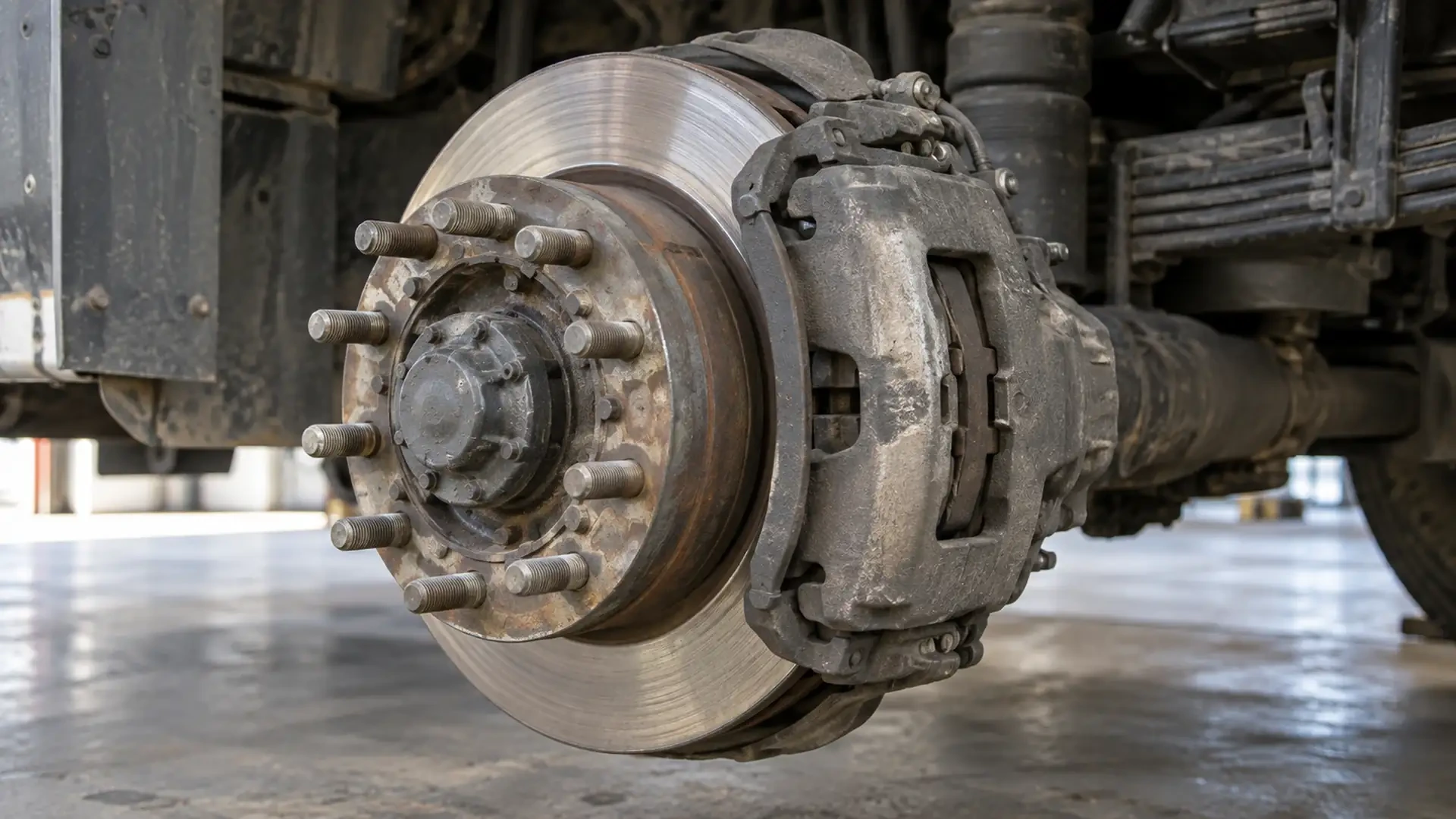
Specialized Truck Services
Commercial truck brake repair: what to verify before returning to service
After commercial truck brake repair, connect the original complaint, completed work, qualified checks, and driver handoff before returning the unit to service.
Oct 2, 2026
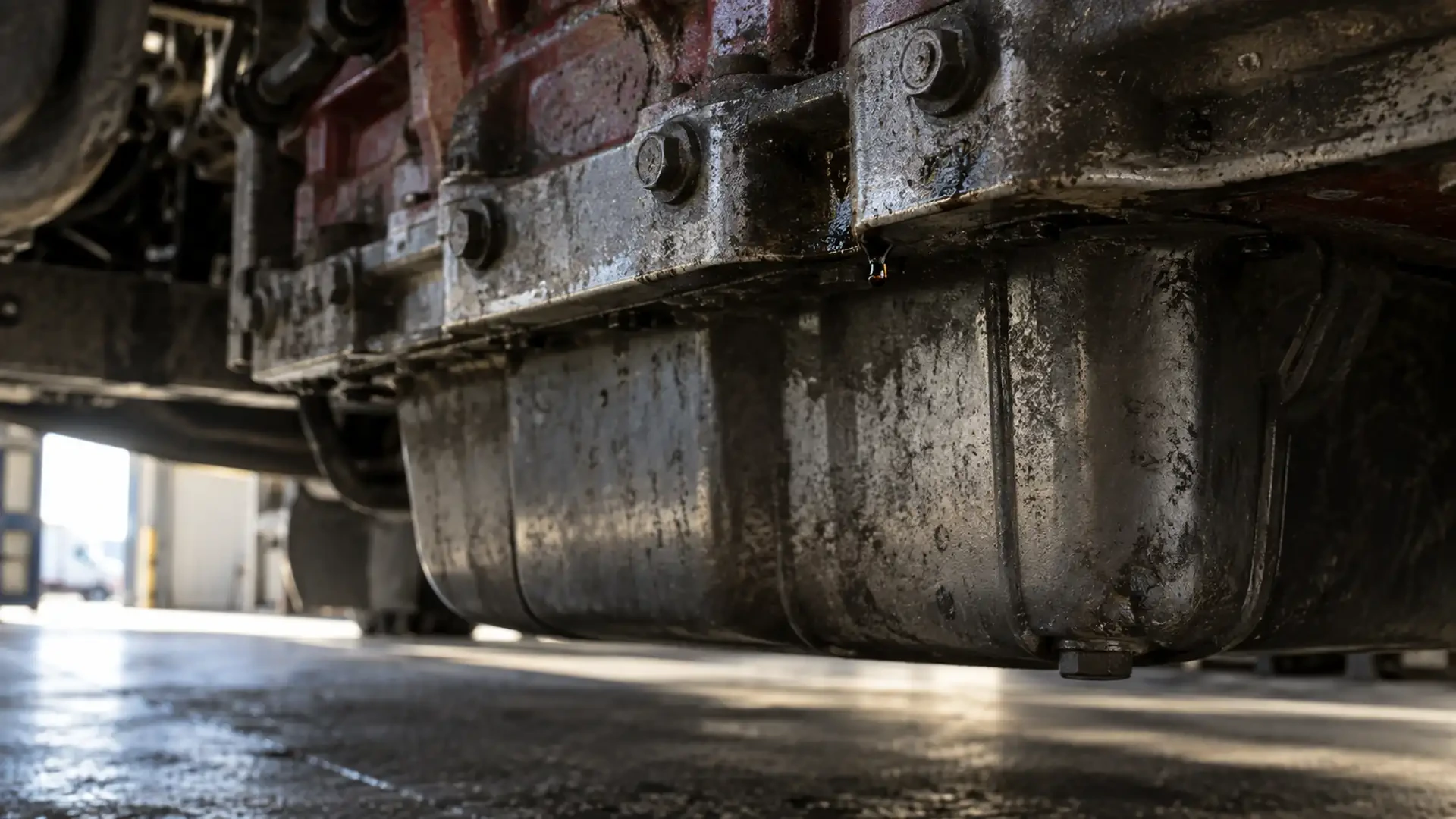
Specialized Truck Services
Cummins ISX15 oil leak returns after repair: what to document before follow-up diagnostics
Did an oil leak return after Cummins ISX15 repair? Record where and when it appears, prior work, fluid level, warnings, and operating conditions before mobile diagnostics.
Sep 28, 2026
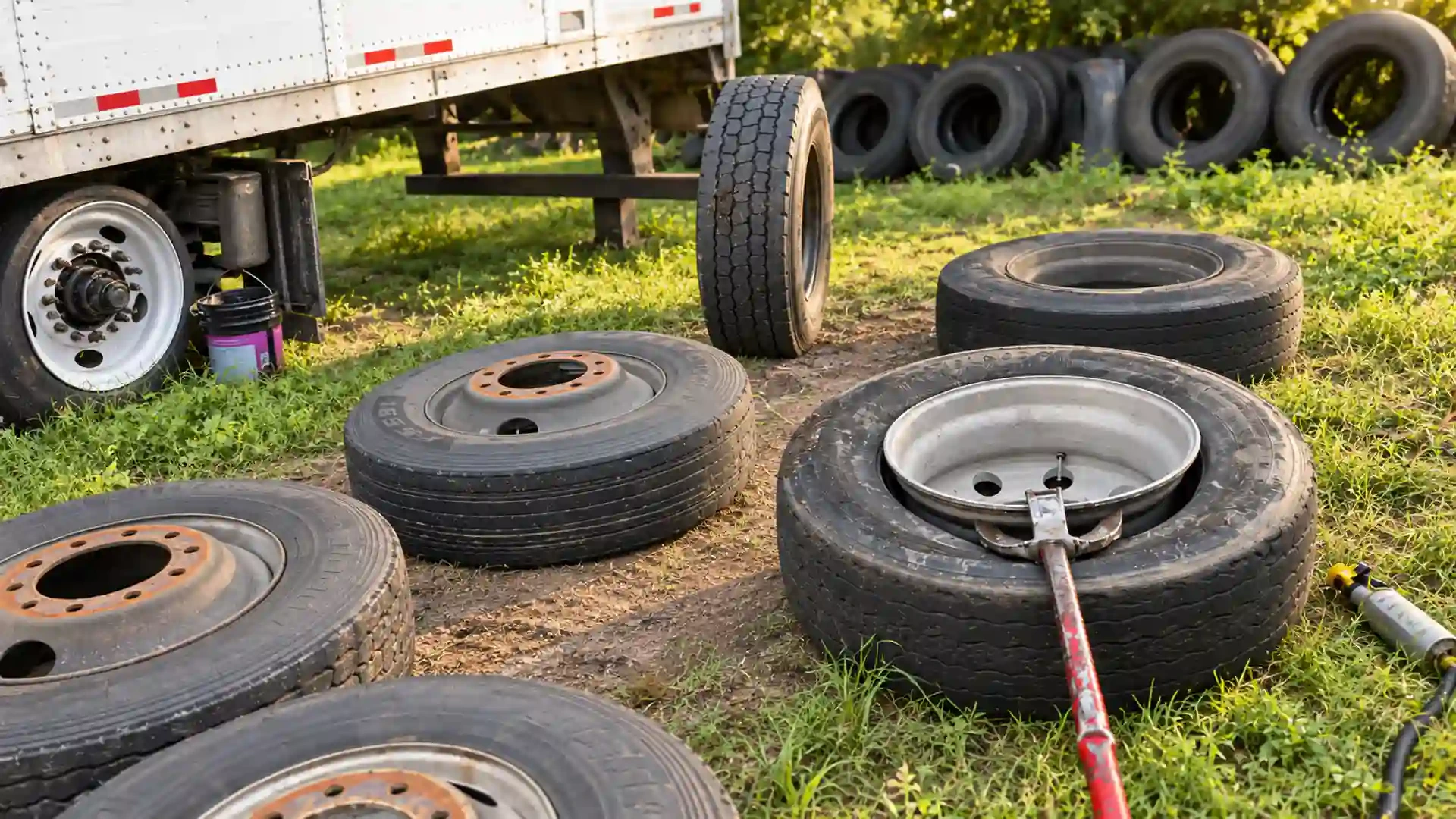
Specialized Truck Services
Commercial truck tire replacement: when to remove a tire from service
Learn when truck tire damage, tread depth, air loss, or irregular wear requires inspection or replacement and what to document before mobile service.
Sep 25, 2026
