Oil around the front of a Cummins ISX15 engine is not something to brush off. On a commercial truck, a leak near the front gear housing, front cover, timing area, or accessory mounting points can create downtime, contaminate nearby components, and make it harder to know whether the truck is safe to keep operating.
For drivers, owner-operators, and fleet managers, the most important step is not guessing the exact source of the leak. The important step is recognizing the warning signs early and getting the engine inspected before the issue becomes more expensive or causes a road interruption.
SAAT Repairs Corp provides mobile truck repair and roadside assistance for commercial trucks in Tampa, Lakeland, and nearby areas. When a Cummins ISX15 shows oil around the front of the engine, a clear inspection can help determine whether the truck can be addressed where it is or needs a deeper repair plan.
Why oil near the front of the ISX15 matters
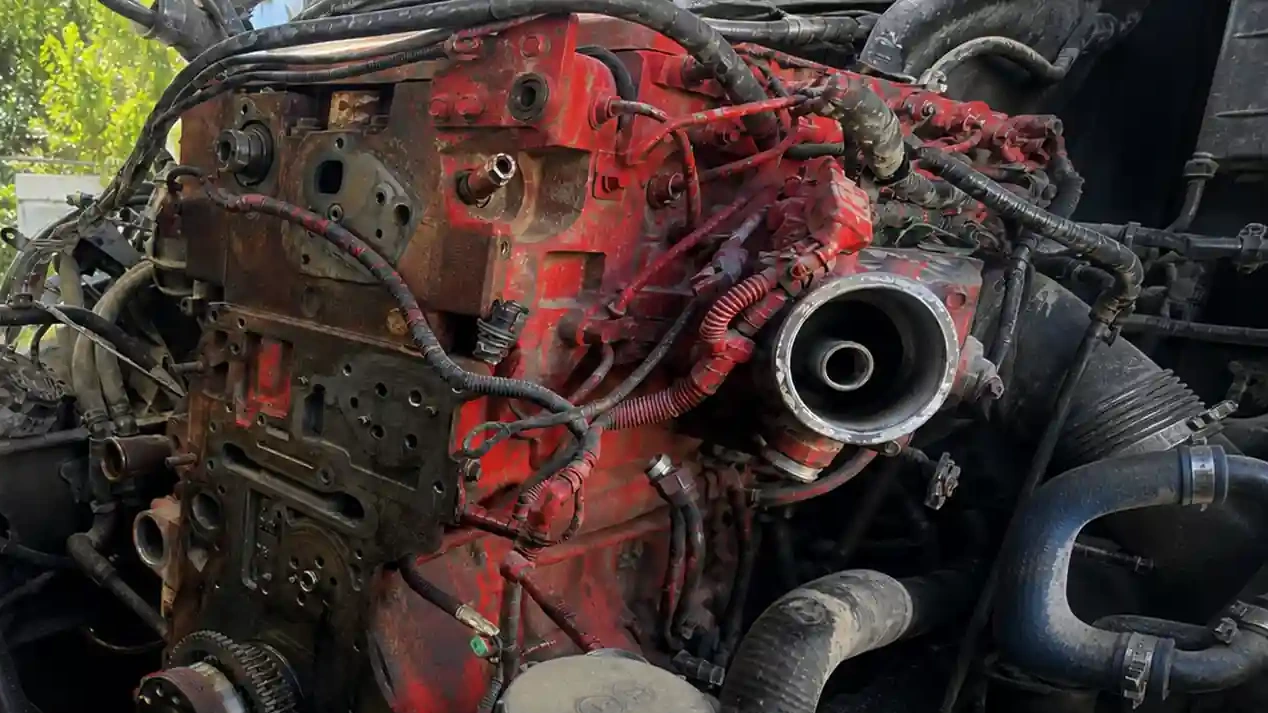
The front area of a Cummins ISX15 engine includes important sealing surfaces, housings, covers, rotating components, accessory locations, and passages that must stay clean and properly sealed. Oil in this area can come from different points, including a front cover gasket, front gear housing area, crankshaft seal area, accessory mounting surface, oil line, or another nearby source.
Because oil can move with airflow, vibration, and road speed, the wettest area is not always the true origin. A leak that appears low on the engine may begin higher up. A leak that looks like it is coming from one cover may actually be traveling from a nearby seal or fitting.
That is why inspection matters. Cleaning the area, checking the pattern, looking at fresh oil movement, and reviewing the symptoms gives a technician better information than guessing from one visible stain.
Common signs of a front gear housing or front cover oil leak
Oil leaks do not always start as a dramatic failure. Many begin with small wet spots, stains, or a smell that gets worse over time. Drivers should pay attention to changes around the front of the engine, especially after a route, after idling, or after the truck has been parked.
Fresh oil around the front of the engine
Fresh, wet oil around the front cover, front gear housing area, or lower front engine surfaces is one of the clearest signs that the issue needs attention. Old grime can remain on an engine for a long time, but fresh oil usually looks wet, darker, and more active.
If oil returns soon after cleaning the area, the leak should be inspected. A repeated wet pattern is more useful than a one-time stain.
Oil collecting near pulleys, accessories, or lower engine areas
Oil can collect near pulleys, brackets, hoses, wiring, accessory mounting points, or lower engine surfaces. This matters because oil can spread while the engine is running. Once it reaches rotating parts or airflow paths, it may be carried across a wider area.
This can make the truck look messier than the actual source of the leak. It can also affect nearby components if the leak is allowed to continue.
Burning oil smell or visible oil spray
A burning oil smell can happen when oil reaches hot surfaces. Oil spray may also appear if oil is being pushed outward while the engine is running. Either sign deserves attention, especially if it appears with visible oil loss or a dashboard warning.
The driver should avoid touching hot components and should stop safely before inspecting anything around the engine.
Oil level dropping between checks
If the oil level is dropping faster than normal, the truck needs attention even if the visible leak looks small. A slow leak can still become a serious operating problem if the driver continues without monitoring the level.
Drivers should follow proper oil-check procedures and avoid operating the truck if oil level or engine warnings suggest unsafe conditions.
Why this leak should not be ignored
An oil leak near the front of the engine can create more than a cleanliness issue. It can affect uptime, safety, maintenance planning, and repair cost.
Possible risks include:
Oil loss that becomes worse during operation.
Oil contamination around belts, hoses, wiring, brackets, or nearby components.
Higher chance of roadside interruption if the leak accelerates.
Harder diagnostics if the leak spreads across multiple areas.
More downtime if the issue is postponed until the truck cannot continue.
For fleets, small oil leaks also create planning problems. A truck that might have been inspected during a controlled stop can become an urgent road service call if the issue is ignored.
What drivers should check before calling for service
Drivers should not take risks around a hot engine or moving components. If the truck is in an unsafe location, the first priority is to stop safely and follow the company or roadside safety process.
Before calling for mobile truck repair, gather practical information:
Truck location and whether it is safe to access.
Engine model, if known.
When the oil was first noticed.
Whether the oil is fresh, dripping, spraying, or only staining.
Oil level, if it can be checked safely.
Dashboard warnings or engine derate messages.
Any burning smell, smoke, unusual noise, or loss of power.
Recent repair work around the front of the engine.
Photos of the leak area, if they can be taken safely.
This information helps the service team understand the situation before arriving and prepare for the likely inspection.
When mobile truck repair can help
Mobile truck repair can help by bringing inspection and diagnostic support to the truck's location. For a Cummins ISX15 oil leak, a mobile service visit may help with:
Visual inspection of the leak pattern.
Checking whether the leak appears active.
Reviewing oil level and visible warning signs.
Looking for obvious loose fittings, damaged lines, or external sources.
Helping determine whether the truck can be addressed on-site or needs a more involved repair plan.
This fits the Week 3 mobile repair education focus: mobile repair is not only for trucks that are completely stopped. It can also support practical inspection and decision-making before downtime grows.
When the truck may need a deeper repair plan
Some front engine oil leaks are not quick external fixes. If the leak involves a deeper sealing surface, front gear housing area, front cover removal, major disassembly, or additional component access, the truck may need more time, parts, and planning.
That does not make the first inspection less valuable. A clear diagnosis helps the driver or fleet decide the next safe step instead of continuing to operate with uncertainty.
Contact SAAT Repairs Corp
If your Cummins ISX15 shows oil around the front gear housing, front cover, or timing area, contact SAAT Repairs Corp for mobile truck repair support in Tampa, Lakeland, and nearby areas.
Have the truck location, engine information, oil level, warning lights, and photos ready if possible. Clear information helps the service call start with the right context.